
Demo report: Designing a reading room for every generation
A fictional neighbourhood considers hours, access, books and digital safety for a shared reading room. This is not an announcement of a real programme.
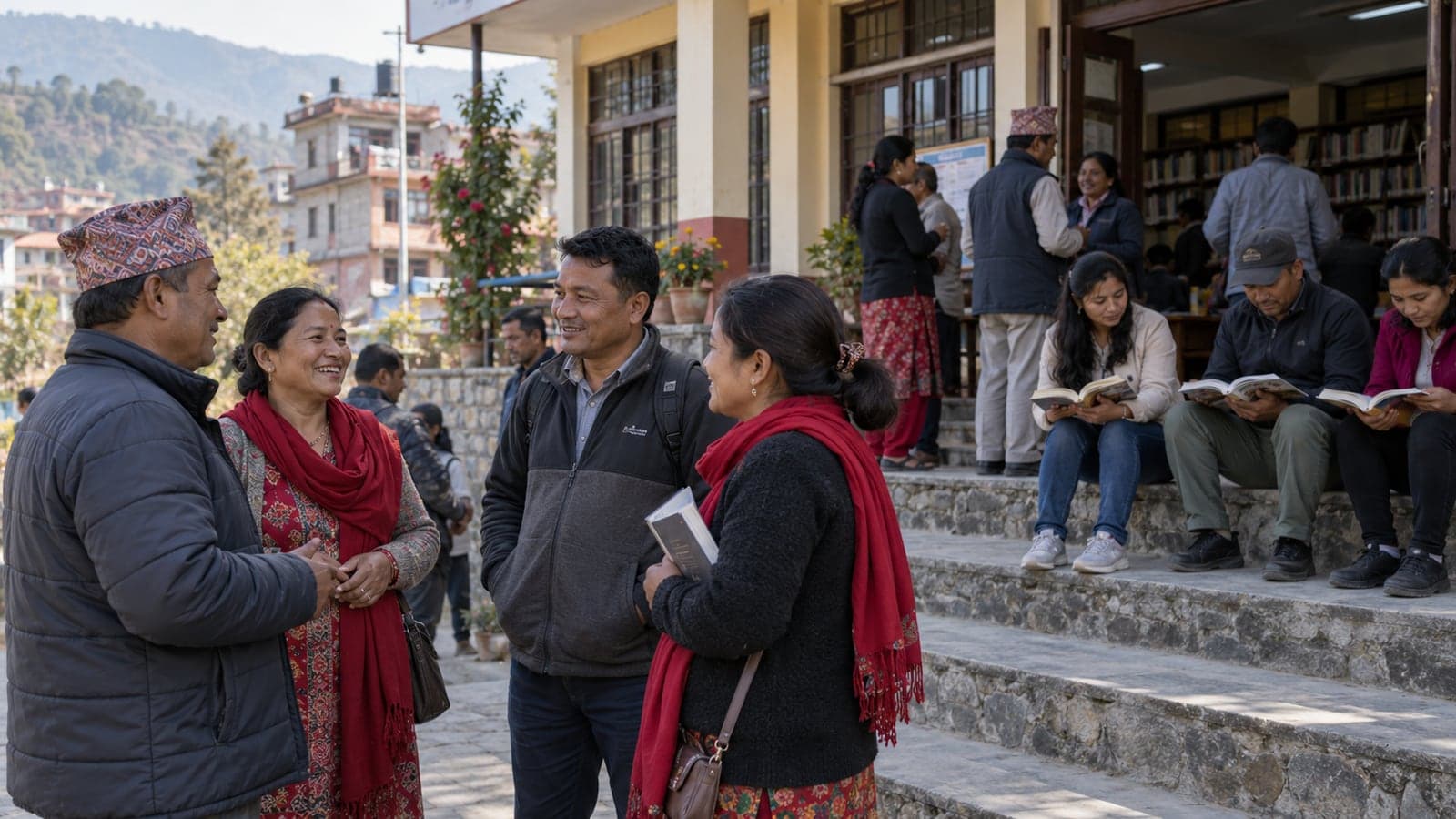
This community story is fictional and was written for testing the news site. The neighbourhood, committee and reading room below are examples, not claims about an existing service.
Imagine a neighbourhood with an unused room and a proposal to open it to readers. Students want a quiet place after school, jobseekers ask for a computer, and older residents would like newspapers in a comfortable seat. The question is how one small room could serve each group without leaving anyone out.
Hours and access
Opening only after school would help students but exclude readers who travel in the evening or prefer daytime hours. Two shifts would provide more choice, yet they would also require volunteers, supervision and a reliable budget.
A stair at the entrance could keep wheelchair users out entirely. The imagined plan therefore puts a ramp, clear signs, adequate lighting and large-print notices ahead of buying more shelves. Accessibility is part of the service, not a decoration added after opening.
Books and shared technology
Donated books can build a collection quickly, but a useful shelf needs a catalogue and a mix of ages and languages. Someone must sort duplicates, repair damaged copies and record loans without making the process difficult for occasional visitors.
A shared computer introduces different costs: connectivity, maintenance, privacy and help for first-time users. In the scenario, sessions end automatically and staff are trained to clear accounts between visitors. Personal browsing histories are not kept for routine attendance reports.
Keeping the room open
An opening ceremony is the easy part. A working room needs a key holder, cleaning rota, transparent spending and a way for visitors to report a broken light or missing book. The fictional committee proposes publishing monthly costs and attendance totals.
After a trial period, the group would compare actual use with its opening assumptions. If evening demand is higher than expected, hours can change. If the computer is rarely used, training sessions may matter more than another device.
The scenario illustrates questions a reporter could ask of a real community project. Check a ward office, school or operating group for verified details of any reading room near you.

Related stories
Road widening advances, traffic management proves difficult
Alternative routes are being managed while construction continues.
 Deepak Thapa5 days ago · 1 min read
Community effort drives rebuilding after the floods
Local groups are repairing homes and restoring water supply.
 Sabina Shrestha5 days ago · 1 min read
Water supply project completed, taps installed in the settlement
Residents expect an end to a problem that has lasted years.
Deepak ThapaOctober 9, 2026 · 1 min readUrban farming grows, rooftops turn to vegetables
Kitchen gardens and rooftop plots are spreading across the city.
 Anita RaiOctober 7, 2026 · 1 min read